
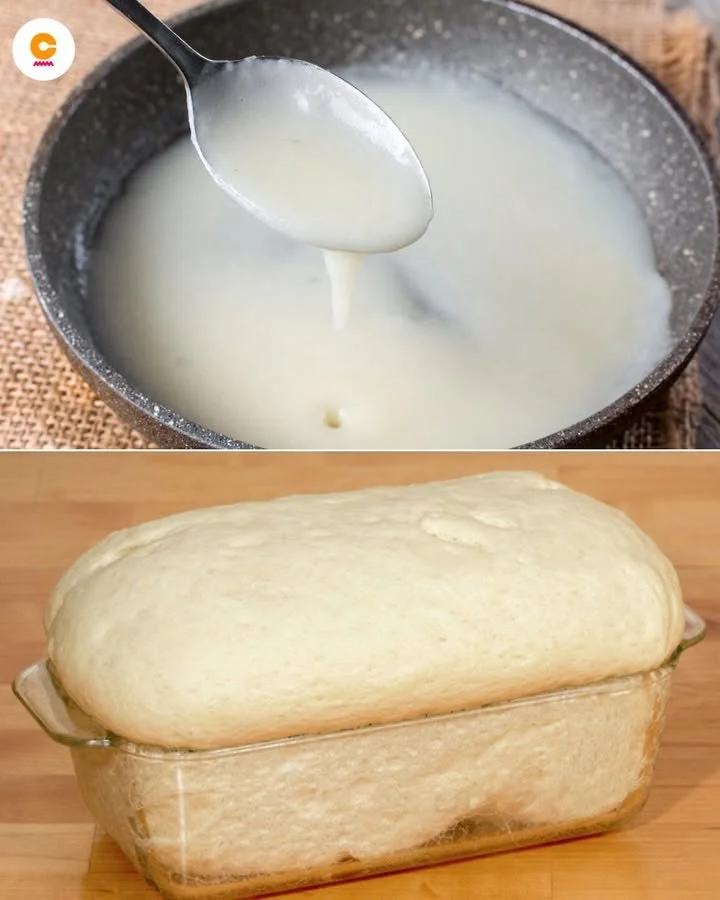
Baking has a magical way of bringing warmth and comfort into our homes, especially when it comes to super soft baked goods. My journey with these delightful creations began one chilly afternoon when I craved homemade bread but feared the dense, lifeless loaves I’d encountered so often. After experimenting, I discovered a foolproof method that consistently yielded light and fluffy results. This recipe transforms simple ingredients like bread flour and yeast into something extraordinary, perfect for family dinners or special celebrations. Let’s dive into the delicious world of soft-baked goods.
Why You’ll Love This Dish
The allure of super soft baked goods lies in their light texture and rich flavor. This recipe, in particular, is fantastic because it’s not only straightforward but also incredibly satisfying. Imagine biting into freshly baked bread rolls that practically melt in your mouth. Whether you’re hosting a weekend brunch, preparing a cozy family dinner, or simply craving something homemade, this recipe fits the bill perfectly.
“I made these while visiting my parents, and they disappeared faster than I could bake them! Everyone loved how soft they were.” – A satisfied home baker
How This Recipe Comes Together
Understanding how each step contributes to the final product truly elevates your baking game. To make these super soft baked goods, you’ll start by activating the yeast, then mixing it with flour and other ingredients to create a smooth, elastic dough. After a bit of kneading and rising, you can shape the dough into your desired form, whether that’s loaves, rolls, or even focaccia. Trust me, the process may seem lengthy, but the sweet reward is worth every minute!
Key Ingredients
For this delightful recipe, gather the following ingredients:
- Bread Flour: This high-protein flour provides the structure for soft, chewy baked goods.
- Yeast: Essential for rising, it gives your dough the lightness it needs.
- Warm Water: Activates the yeast and helps bind the ingredients.
- Sugar: A little sweetness boosts flavor and helps the yeast work effectively.
- Salt: Enhances the overall taste and strengthens the dough’s structure.
- Butter or Oil: Adds richness and moisture; either option works well.
- Milk (optional): For an even richer texture and flavor; can be substituted with non-dairy options.
Note: If you’re gluten-sensitive, consider using a gluten-free bread flour for a friendly alternative.
