
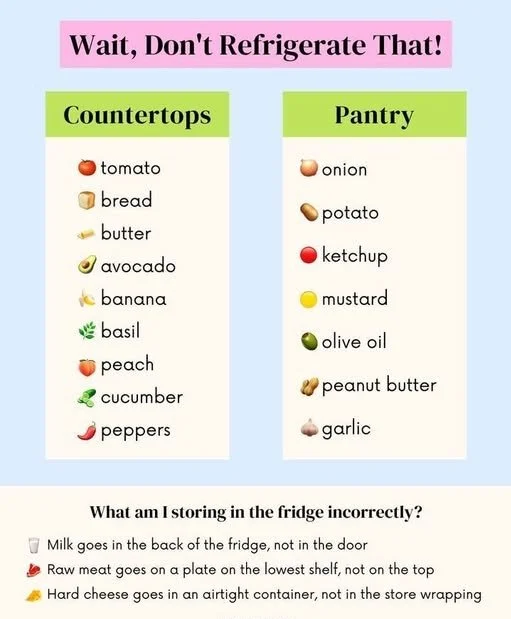
In my journey as a food enthusiast, I’ve often pondered the seemingly simple yet profound impact that proper food storage can have on the lifespan of our beloved fruits and vegetables. Many of us store our produce without giving it a second thought, but did you know that storing the wrong items together or placing them in the wrong spot can drastically shorten their freshness? Let’s dive into this enlightening conversation about how to extend the life of those colorful fruits and veggies!
Why you’ll love this advice
You might be surprised at how a few simple tweaks to your storage practices can enhance your culinary experience. This guide isn’t just about saving money; it’s about savoring the natural flavors and nutritional benefits of produce at their peak. By understanding how ethylene gas affects certain fruits and vegetables, you can ensure that your groceries stay fresher for longer, ultimately leading to reduced food waste. Perfect for busy weeknights or leisurely weekends, this knowledge empowers you to enjoy wholesome meals without the stress of spoilage.
"Since I started storing my fruits and vegetables correctly, I’ve noticed a significant difference in taste and longevity. It’s made such a difference in my cooking!" — Sarah, a home cook
The preparation process explained
Understanding the basic principles behind effective fruit and vegetable storage is essential. First, know which fruits produce ethylene gas—an organic compound that speeds up ripening and decay. For instance, bananas and avocados can accelerate the ripening process of ethylene-sensitive foods like greens and berries. In this guide, we’ll cover where to store various types of produce to maximize their lifespan while preserving their delightful crunch and flavor.
Gather these items
To properly store your fruits and vegetables, consider the following as your go-to items for effective organization:
- Storage bins or baskets: For dry storage of root vegetables
- Plastic bags with holes: To allow airflow and maintain humidity for leafy greens
- Glass containers: Ideal for keeping cut produce fresh
- Fruit and vegetable drawers: Utilize your refrigerator’s design for optimum freshness
If you have a small garden, you might also consider herbs that can thrive alongside your store-bought produce!
