
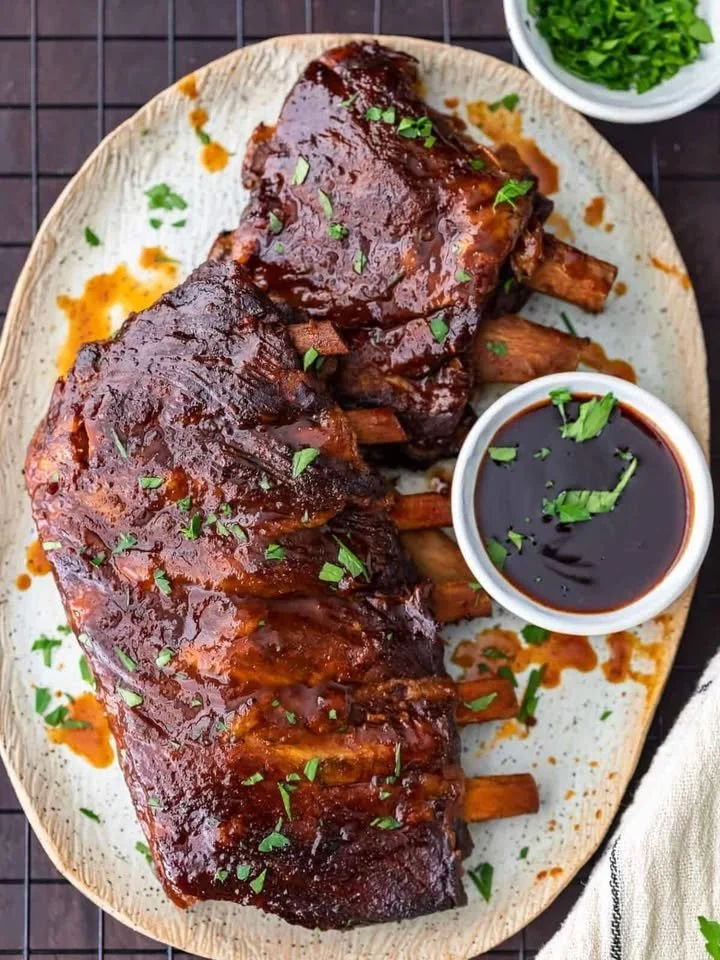
There’s something incredibly comforting about the smell of slow-cooked ribs wafting through your home. This Crockpot Ribs recipe brings together the tender, juicy goodness of baby back ribs with the rich, tangy flavor of barbecue sauce, all while letting your slow cooker do the heavy lifting. Perfect for weeknight dinners, family gatherings, or just because, these ribs are a surefire way to impress both friends and family with minimal effort. Trust me, once you try this method, you won’t want to go back to anything else.
Reasons to Try It
Why make ribs in the crockpot? For starters, it’s hands-off cooking at its finest. You can prepare everything in the morning and return home to a dinner that looks like you spent hours in the kitchen. It’s budget-friendly, using just a few simple ingredients, and kid-approved—what child doesn’t love finger-lickin’ good ribs? Plus, it’s an ideal choice for casual gatherings or a cozy weekend meal.
"I made these Crockpot Ribs for a family gathering, and they were the hit of the party! So tender and flavorful. I’ll definitely make them again!" – Sarah M.
How This Recipe Comes Together
Preparing Crockpot Ribs is straightforward and rewarding. First, you’ll remove the rib membrane to allow flavors to penetrate the meat. Next, season the ribs with a blend of spices that will kick things up a notch. After a quick seasoning, place the ribs in your crockpot, smother them in barbecue sauce, and let the slow cooker work its magic for 6-8 hours on low.
The result? Fall-off-the-bone tender meat that seems to melt in your mouth. Plus, if you want to enhance that caramelized flavor, just broil the ribs for a couple of minutes when they’re finished cooking.
Gather These Items
Before you get started, make sure you have the following ingredients on hand:
- 2-3 pounds of baby back ribs
- 1 cup of your favorite barbecue sauce
- 1 tablespoon of garlic powder
- 1 tablespoon of onion powder
- 1 teaspoon of smoked paprika
- Salt and pepper to taste
Optional substitutions include using a dry rub instead of the spices listed or experimenting with different flavors of barbecue sauce for a unique twist.
