
Step-by-step instructions
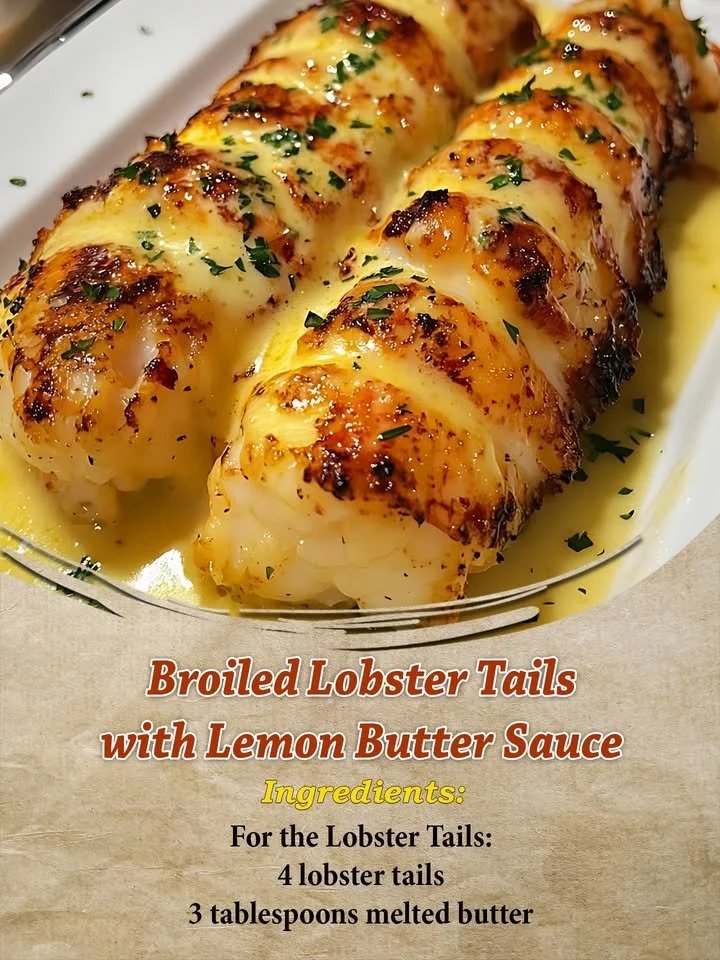
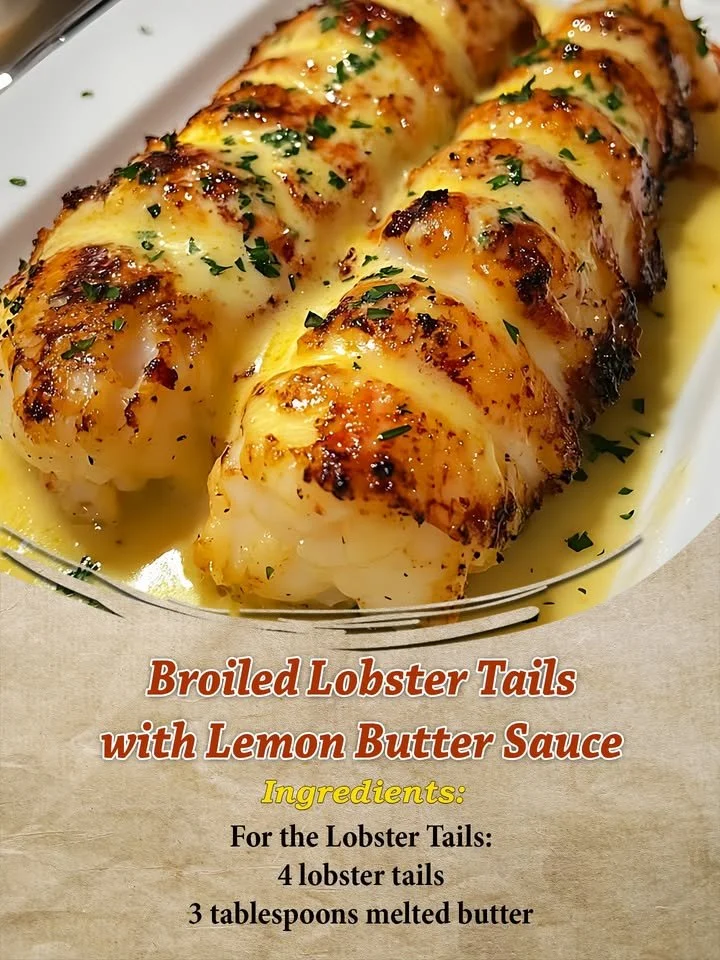
Prepare the Lobster Tails: Start by preheating your oven’s broiler. Using kitchen scissors, cut the top shell of each lobster tail lengthwise. Gently lift the meat and lay it on top of the shell for an impressive presentation.
Season the Lobster: In a small bowl, mix the melted butter, minced garlic, paprika, salt, and pepper. Brush this flavorful mixture generously over the lobster meat.
Broil the Lobster: Place the lobster tails on a baking sheet and broil them for about 8-10 minutes, or until the meat looks opaque and starts to turn golden brown.
Make the Lemon Butter Sauce: Meanwhile, melt the unsalted butter in a small saucepan over medium heat. Add the minced garlic and sauté until fragrant. Stir in the lemon juice and Dijon mustard, whisking until you have a smooth sauce.
Plate and Serve: Drizzle the lemon butter sauce over the broiled lobster tails and garnish with fresh parsley. Serve immediately for the best flavor and presentation.
Best ways to enjoy it
Serving broiled lobster tails is as enchanting as preparing them. Arrange them neatly on a large platter or individual plates, and drizzle the lemon butter sauce over the top. For a delightful side, consider serving with roasted asparagus or a light green salad—which pairs beautifully with the rich lobster. Pair it with a chilled glass of white wine, such as Chardonnay or Sauvignon Blanc, to really elevate the dining experience.
Storage and reheating tips
If you have leftovers, which is often rare with this dish, store them in an airtight container in the fridge for up to 2 days. When you’re ready to enjoy them again, gently reheat the lobster tails in the oven, covered with foil to retain moisture—avoid the microwave if possible, as it can create rubbery lobster.
For longer storage, cooked lobster tails can be frozen. Wrap them tightly in plastic wrap and foil before placing them in a freezer bag. When thawing, put them in the refrigerator overnight before reheating.
Helpful cooking tips
- Make sure to not overcook the lobster; it can become tough very quickly. Keep a close eye during the broiling step.
- If you’re new to handling lobster, a good pair of kitchen scissors will make cutting through the shell much easier and safer than a knife.
- Feel free to adjust the garlic and lemon to your taste; some may prefer a bolder flavor, while others enjoy a subtler seasoning.
Recipe variations
This dish is wonderfully flexible! You can swap out the garlic for shallots for a milder onion flavor, or you could experiment with different seasonings—maybe switch paprika for cayenne for some heat. If you would like to make it dairy-free, try using olive oil instead of butter in the seasoning and sauce.
FAQ
What is the best way to tell when lobster tails are done cooking?
Look for the meat to turn opaque and to slightly firm up. It should not be translucent or mushy, which indicates undercooking. A slight golden hue on the top is a good sign of proper broiling too.
Can I make the lemon butter sauce ahead of time?
Absolutely! You can prepare the lemon butter sauce in advance and store it in the refrigerator for up to a week. Just reheat it gently before serving to maintain its smooth texture.
Any tips for selecting lobster tails at the market?
Choose lobster tails that feel heavy for their size and have a firm shell. Fresh tails should have a mild ocean smell, while any strong fishy odor is a sign they aren’t fresh. Always opt for sustainably sourced lobster when possible for the best quality.
Dig into this sumptuous dish and let your taste buds embark on a gourmet adventure right from your kitchen!