
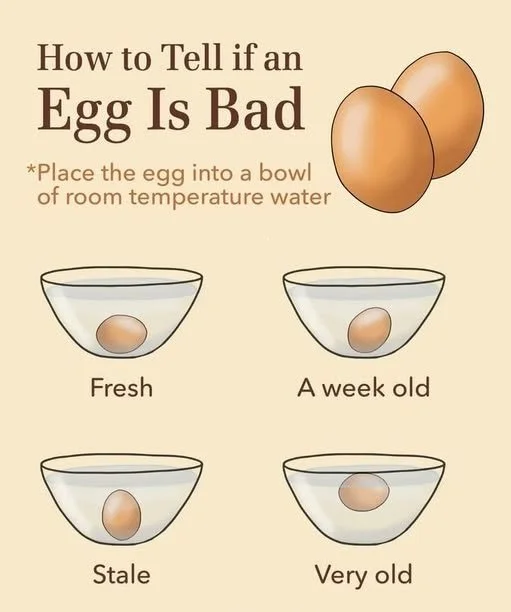
Directions to follow
- Fill a bowl with enough water to fully submerge your eggs.
- Gently drop each egg into the water.
- Observe the behavior:
- If it sinks to the bottom and lies flat, it’s fresh.
- If it sinks but stands upright, use it soon.
- If it floats, dispose of it safely.
- Cleanup any eggshells and empty the bowl as needed.
Best ways to enjoy it
While the float test itself isn’t a dish to serve, it directly impacts the quality of meals you prepare. Using fresh eggs leads to better texture, flavor, and nutritional value in dishes like frittatas, deviled eggs, or even a simple scrambled preparation. Consider pairing those dishes with a fresh salad or whole-grain toast for a balanced meal.
Storage and reheating tips
To keep your eggs fresher for longer, store them in their original carton in the coldest part of your refrigerator, not the door. This preserves their quality better than if they are left in an open container. If you have leftover cooked egg dishes, store them in an airtight container in the fridge for up to three days. It’s best to consume or freeze leftovers quickly to maintain quality.
Helpful cooking tips
- Room Temperature Eggs: For optimal fluffiness, let your eggs reach room temperature before whipping them, especially if you’re baking.
- Check Date Labels: While the float test is reliable, also keep an eye on sell-by and expiration dates.
- Regular Checks: Make a habit of checking your eggs every few weeks, especially if you tend to forget them in the back of the fridge.
Creative twists
Experimenting with different types of eggs can also add variety. Try using quail eggs for a delicate appetizer or even experimenting with duck eggs in your baking—they tend to be richer and larger.
Common questions
How long does it take to check eggs using the float test?
The float test only takes a minute or two, making it a quick and efficient way to check your eggs for freshness.
Can I use the float test on eggs that have already been cooked?
No, the float test only works with raw, uncooked eggs. Once they’re cooked, other factors determine their safety and quality.
What’s the best way to store eggs after purchasing?
Keep eggs in their original carton in the fridge, ideally in the coldest section rather than the door, to optimize their shelf life and maintain freshness.
Knowing how to check your eggs with the float test has empowered me to use my ingredients wisely and prevent food waste. Give it a try and enhance your cooking confidence!
