
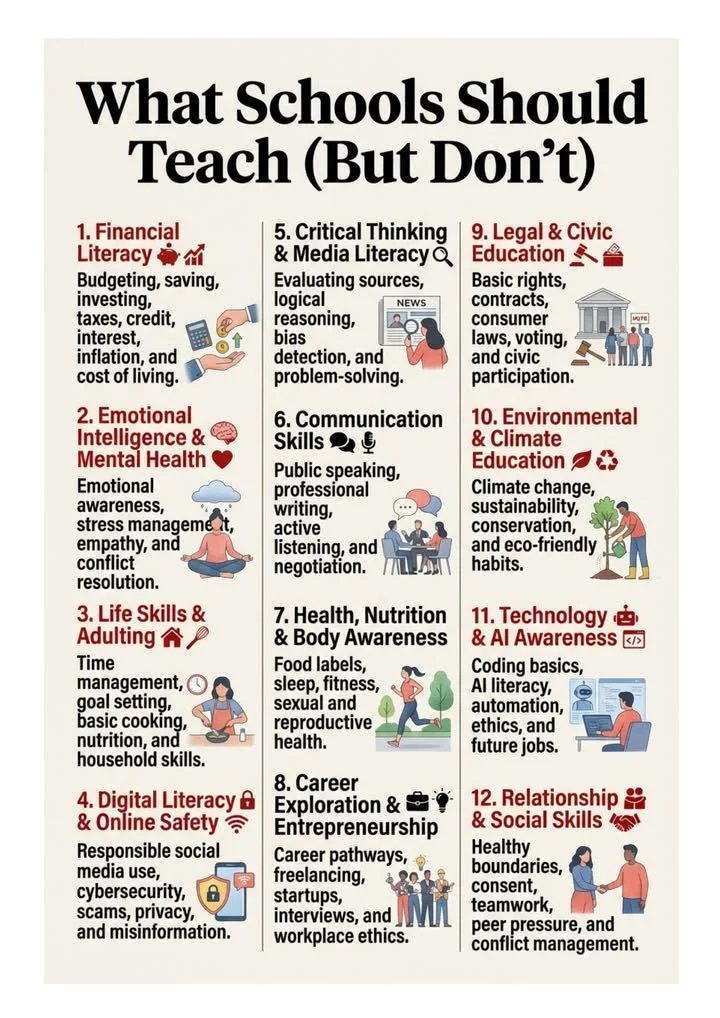
Step-by-step instructions
Set Your Budget: Start by gathering data on your income and expenses. Use budgeting apps or worksheets to visualize your financial landscape.
Learn the Basics: Familiarize yourself with saving techniques—establish an emergency fund and learn about investment options.
Understand Taxes: Research the fundamentals of taxes and how they affect your earnings. Consider consulting a tax professional for personalized guidance.
Assess Your Credit: Check your credit report and score. Understand how banking fees, interest rates, and credit utilization affect your financial health.
Practice Emotional Awareness: Begin journaling to identify and express your feelings. Note triggers that escalate stress to develop coping strategies.
Stress Management Techniques: Explore mindfulness practices, yoga, or meditation to help you navigate life’s pressures better.
Empathy Building: Engage in social activities or volunteer work to enhance relational skills and emotional perspectives.
Gather these items
- A budgeting toolkit or software
- Educational materials on financial concepts
- Journals or notebooks
- Stress relief resources (apps/books)
Best ways to enjoy it
To get the most out of this recipe, pair your financial insights with social gatherings. Organize discussions with friends and family about budgeting or investment strategies over coffee. You can also host workshops that incorporate stress management techniques alongside financial education.
Storage and reheating tips
While this recipe doesn’t provide physical leftovers, the knowledge gained can be retained and accessed whenever necessary. Create a reference folder containing your budget sheets and notes on emotional exercises. Regularly review and update your learning to keep the information fresh and actionable.
Helpful cooking tips
- Use Online Resources: There are countless blogs and YouTube channels dedicated to financial literacy; take advantage of these free resources for additional learning.
- Create Habitual Reminders: Set monthly reminders to review your budget and emotional health progress, ensuring that you stay on track.
- Engage with Community: Join local groups or online forums focused on financial literacy or mental health for support and new ideas.
Creative twists
- Integrate into Workshops: Consider combining teachings of financial literacy and emotional intelligence in a workshop format.
- Focus on Specific Areas: Tailor the recipe by diving deep into a specific aspect of either financial literacy (like investing) or emotional intelligence (like empathy).
- Family Night Learning: Incorporate games or activities for children and teens, aligning lessons of money management with emotional growth.
![image_2]
Common questions
What is the best way to begin budgeting?
Start by tracking your expenses for a month, categorize them, then set a realistic budget based on your income.
How can I improve my emotional intelligence?
Practice self-reflection and consider seeking feedback from others about your interpersonal skills to gain insights.
Is it safe to store personal financial documents online?
Ensure you use reputable services and encrypt sensitive information to keep your data secure.
By blending financial literacy with emotional intelligence, you’re setting the stage for a more fulfilling and stable life. Implement these lessons to unlock a brighter future for yourself and those around you!