
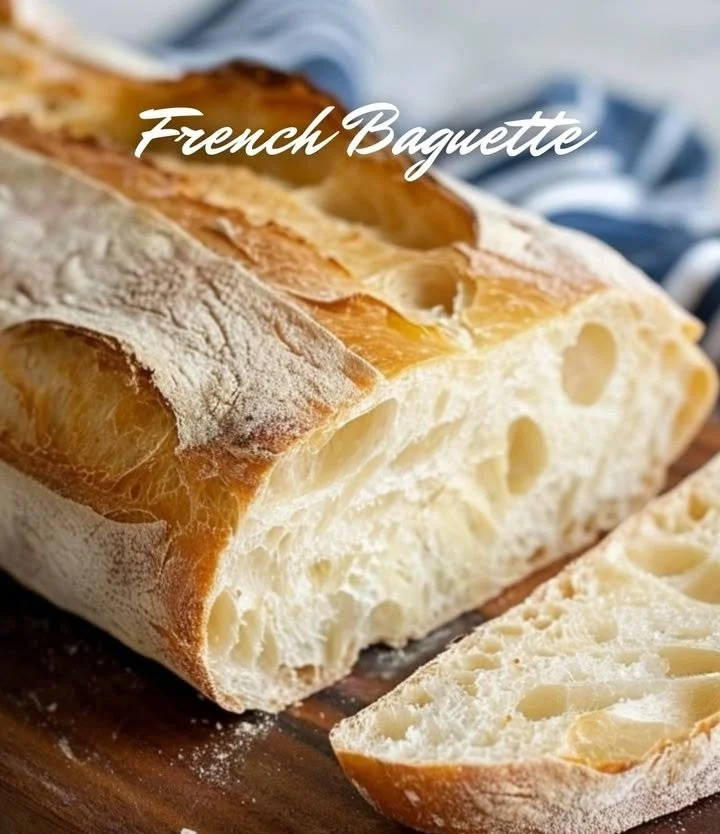
Making a classic French baguette is always an exciting endeavor that fills your kitchen with the intoxicating aroma of fresh bread. There’s something undeniably magical about pulling a golden, crusty baguette from the oven, the crackling crust transitioning to a soft, airy interior. This beloved staple is perfect for impressing dinner guests, elevating a simple cheese platter, or enjoying alongside your favorite soup. Every bite transports you to a quaint Parisian café, warming your heart and home.
Why you’ll love this dish
One of the best reasons to try making your own French baguette is the incredible sense of accomplishment it brings. Not only is it a budget-friendly way to enjoy artisan-quality bread, but it’s also an authentic culinary experience that allows you to wield your baking skills. This recipe is accessible for home bakers of all levels, even beginners, with its straightforward steps and minimal ingredients. Imagine serving freshly baked baguettes at your next family brunch or gathering—there’s simply no competition when it comes to taste and aroma.
"I made this French baguette for a dinner party, and it was a hit! The crust was golden and crispy, and the inside was soft and fluffy. Everyone asked for the recipe!" – Lisa G.
Step-by-step overview
Creating a French baguette is a delightful journey that can elevate your baking repertoire. It starts with dissolving yeast in warm water, moves into kneading a simple dough, and ends with the magic of kneading and shaping before baking. Each step builds on the last, leading to the final proud moment as you take a warm loaf out of the oven. The process requires patience, but the results are definitely worth it!
What you’ll need
To make a classic French baguette, gather the following ingredients:
- 3 1/2 cups all-purpose flour
- 1 1/4 cups warm water
- 2 teaspoons salt
- 1 teaspoon sugar
- 1 packet (2 1/4 teaspoons) active dry yeast
Using all-purpose flour is great for this recipe, but if you’re feeling adventurous, you can experiment with bread flour for a chewier texture. Just remember, warmth is key for the yeast, so keep your water at the right temperature!
