
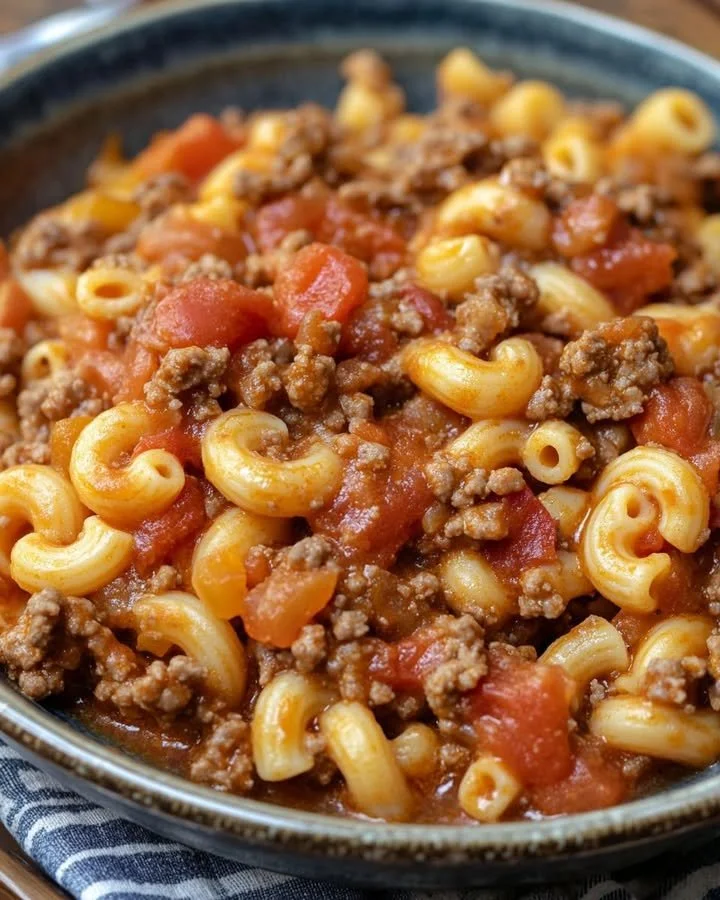
Cooking method
- Begin by heating a pan over medium heat. Add your proteins and cook until browned.
- Toss in your chopped vegetables and sauté until they’re tender.
- Stir in the spices and any liquids required for simmering, making sure everything is combined well.
- Allow the mixture to cook on low heat for the specified time to meld flavors perfectly.
- Taste and adjust seasoning if necessary before serving.
Best ways to enjoy it
When plating Nana’s version, consider pairing it with a fresh salad or garlic bread to complement the richness of the dish. If you’re feeling adventurous, a drizzle of balsamic glaze or a sprinkle of fresh herbs can enhance presentation and flavor.
Storage and reheating tips
To keep leftovers fresh, store them in an airtight container in the fridge for up to three days. When you’re ready to enjoy them again, you can reheat on the stove or in the microwave. If you’d like to freeze extras, portion them in freezer-safe containers for up to three months. Just ensure you let them cool completely before freezing.
Helpful cooking tips
For the best results, ensure your pan is hot enough before adding ingredients to create a nice sear. If you’re short on time, prepping your ingredients the night before can be a great way to speed up the cooking process. A splash of lemon juice added at the end brings brightness to the dish, enhancing flavors even more.
Creative twists
Want to make it your own? Try swapping out proteins or introducing seasonal vegetables. For a spicy kick, add jalapeños, or for a sweeter touch, incorporate roasted apples or carrots. You can also explore different herbs—fresh basil or dill can offer a refreshing twist to Nana’s traditional recipe.
FAQs
How long does it take to prepare this dish?
Typically, the whole process takes about 30-45 minutes, depending on your chopping speed and cooking method.
Can I substitute any ingredients to make it healthier?
Absolutely! You can replace heavier ingredients with lean proteins or opt for whole grains instead of refined ones.
How do I know when leftovers are bad?
If your leftovers have a strange odor, discoloration, or an off taste, it’s best to discard them. Always prioritize food safety!
By embracing Nana’s version, you’re not only indulging in a delicious meal but also honoring family traditions that transform ordinary gatherings into cherished memories. Happy cooking!
