
Step-by-step instructions
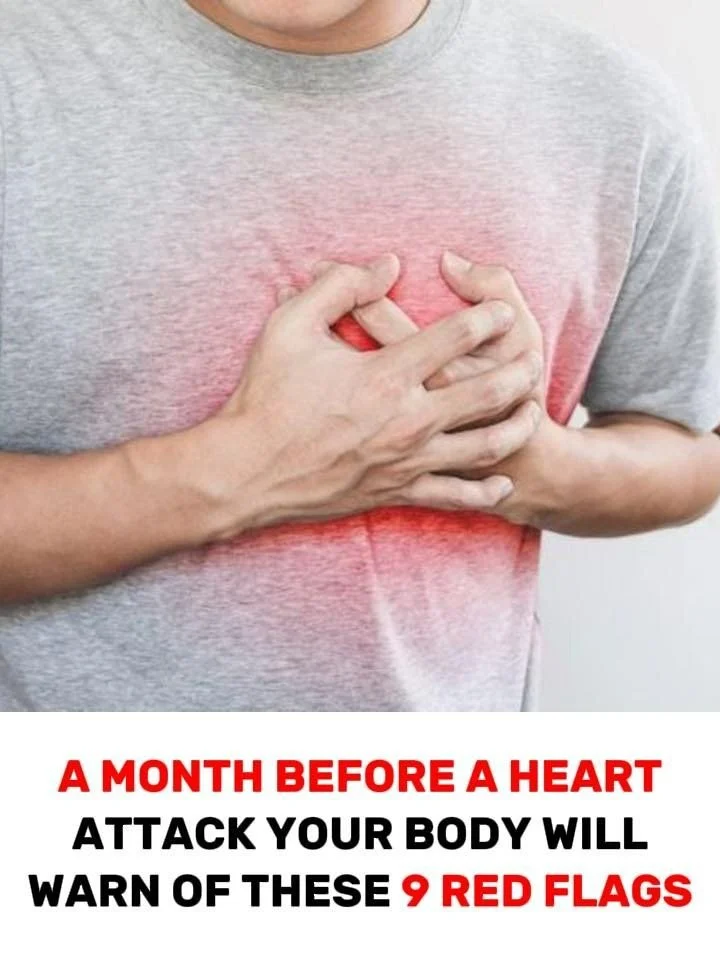
Listen to your body: Notice any unusual fatigue or general malaise. Often, becoming overly tired even when you’re not exerting yourself can be an early warning sign.
Monitor your sleep patterns: If you’ve been experiencing disrupted sleep or insomnia, it’s time to pay attention. Sleep disturbances can be associated with heart issues.
Be aware of persistent chest discomfort: Pay attention to any feelings of heaviness, pressure, or tightness in your chest that lasts longer than a few minutes or goes away and returns.
Notice changes in digestion: Unexpected stomach pain or heartburn could be more than just a minor inconvenience—sometimes, these symptoms can be related to heart issues.
Watch for shortness of breath: If you find yourself winded from tasks that once seemed manageable, it’s essential to address this change.
Look out for pain in other areas, especially the arms or jaw: A vague discomfort in your arms, back, neck, or jaw can be a red flag.
Best ways to enjoy it
There’s no fancy plating or grand presentations needed for this knowledge about heart health. Simply share the information with family and friends during meals or casual gatherings. It could even lead to discussions on healthier eating habits or lifestyle changes. You might also consider creating informative flyers or digital posts to spread awareness within your community.
Storage and reheating tips
While you can’t "store" your newfound knowledge, you can retain this information by keeping it handy—whether that’s in a bookmarked website, a saved document, or a flyer on your fridge. It’s important to review these symptoms regularly and stay informed about your heart health.
Helpful cooking tips
Transforming your lifestyle to support heart health can include simple tweaks to your eating habits. Consider incorporating more heart-healthy foods like fruits, vegetables, whole grains, and healthy fats into your diet. Cooking at home allows you greater control over ingredients, leading to better choices overall.
Creative twists
If you’re looking to adapt this advice into discussions or practical applications, consider the following:
- Organize a heart health information session with friends or family.
- Share heart-healthy recipes that incorporate the insights gained from understanding these symptoms.
- Create a daily or weekly checklist for monitoring your heart health and habits.
Common questions
What are the symptoms I should be looking for?
The primary symptoms include unusual fatigue, disrupted sleep patterns, persistent chest discomfort, changes in digestion, shortness of breath, and unexplained pain in other areas.
How can I prevent these symptoms from occurring?
Lifestyle changes such as maintaining a balanced diet, regular exercise, and routine check-ups with a healthcare professional can play a crucial role in prevention.
What should I do if I experience these symptoms?
If you notice any of these symptoms, it’s essential to consult with a healthcare professional immediately to discuss your concerns.
By educating yourself and others about potential warning signs of heart problems, you’re taking a proactive step towards a healthier, more aware life. Live well and stay informed!
