What you’ll need
To make these delightful scrambled eggs, you simply need the following key ingredients:
- Eggs: Fresh, large eggs are ideal for the best flavor.
- Butter: Use unsalted butter to control the salt content.
- Salt: A pinch to enhance the flavor.
- Pepper: Freshly cracked for an extra kick.
- Milk or cream (optional): Adds a creamy richness if you desire.
For those with dietary restrictions, feel free to swap in plant-based butter or even a dairy-free milk alternative to keep this dish enjoyable for everyone.
Step-by-step instructions
- In a bowl, whisk 4 to 6 eggs, adding a pinch of salt and a splash of milk or cream if you prefer a creamier texture.
- Preheat a non-stick skillet over medium-low heat, then melt a tablespoon or two of butter until it’s bubbly.
- Gently pour in the whisked eggs into the skillet.
- With a spatula, stir the eggs continuously, scraping the bottom of the pan for even cooking.
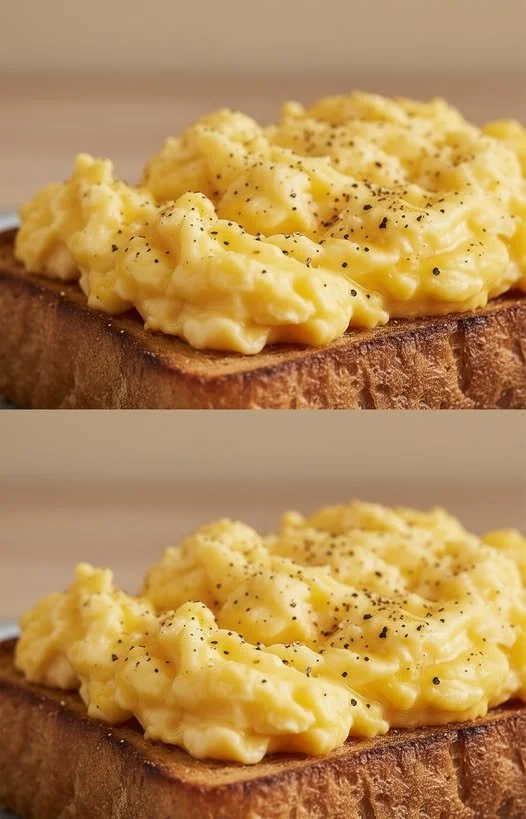
- Cook for just a few minutes until the eggs are softly set but still have a little runniness.
- Remove the pan from the heat and let the eggs sit for a moment before serving for the perfect finish.
Best ways to enjoy it
To make your scrambled eggs truly shine, consider these serving suggestions:
- Herbs: Sprinkle some fresh chives, dill, or parsley on top for an added flavor dimension.
- Cheese: Fold in some shredded cheese like cheddar or feta right at the end for creamy, gooey goodness.
- Avocado Toast: Serve alongside smashed avocado on toasted bread for a trendy brunch dish.
- Salad: Pair with a mixed green salad for a light meal option.
Keeping leftovers fresh
When it comes to storing your scrambled eggs, a few simple guidelines can help maintain their freshness:
- Refrigeration: Allow any leftovers to cool to room temperature before placing them in an airtight container. They can typically last about 3 days in the fridge.
- Freezing: While I generally don’t recommend freezing scrambled eggs due to texture changes, if you must, you can freeze them in a freezer-safe container. They can last for up to 2 months but will need to be reheated gently to avoid rubberiness.
- Reheating: Use a microwave at low power or a skillet over low heat to rewarm your eggs, adding a splash of milk or butter to help revive their creaminess.
Helpful cooking tips
Here are a few extra tips to ensure your scrambled eggs come out perfectly every time:
- Temperature control: The key to perfectly scrambled eggs is cooking on low heat. High temperatures can cause your eggs to become tough and rubbery.
- Do not rush: Take your time stirring; slow and gentle movements help create the soft curds you’re aiming for.
- Rest period: Letting your eggs sit for a minute after cooking can help them continue to set while they stay warm.
Creative twists
While the classic scrambled egg recipe is already delightful, here are some fun variations to try:
- Mediterranean Style: Add sun-dried tomatoes, olives, and feta cheese for a burst of flavor.
- Spicy version: Incorporate diced jalapeños or a dash of hot sauce into your egg mixture for a spicy kick!
- Herby Delight: Mix in fresh herbs like basil or thyme directly into the egg before cooking for a vibrant fresh taste.
- Vegetable Boost: Fold in any sautéed veggies that you love—think bell peppers, spinach, or mushrooms for added nutrition!
FAQs
How long does it take to make scrambled eggs?
Cooking scrambled eggs typically takes 5 to 10 minutes from start to finish, making it a quick breakfast option.
Can I use egg substitutes for this recipe?
Absolutely! You can use egg replacers or aquafaba if you want to keep it vegan. Just follow package instructions to match the texture of traditional eggs.
How do I keep my scrambled eggs from getting watery?
Make sure you’re cooking on medium-low heat and not adding too much liquid if using milk or cream. Additionally, avoid overcooking, which can release moisture from the eggs.
Enjoy these scrumptious scrambled eggs—they’re a time-tested breakfast favorite that never disappoints!