
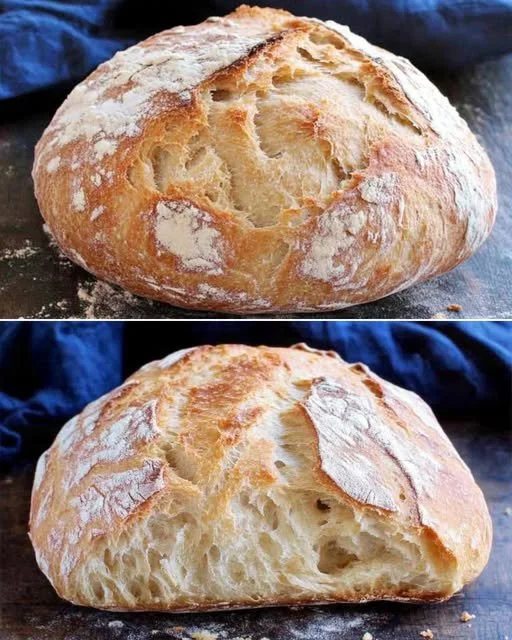
Rustic Italian Crusty Bread
There’s something profoundly satisfying about the warm and crusty exterior of a freshly baked loaf of Italian bread. Picture yourself slicing into a beautifully golden crust, revealing a soft and airy interior that’s perfect for dunking, toasting, or simply enjoying with butter. This Rustic Italian Crusty Bread is not just a staple; it’s a connection to tradition, an invitation to gather friends and family, and a culinary adventure all on its own. Inspired by my love for Italian cuisine, I want to share this easy, rustic bread recipe that has become a beloved staple in my home.
What makes this recipe special
Why should you consider making this Rustic Italian Crusty Bread at home? It’s simple: this bread is effortless, requires minimal ingredients, and is incredibly versatile. Whether you’re planning a cozy family dinner, a weekend brunch with friends, or just a snack with your evening soup, this bread is your go-to. It embodies authenticity, capturing the essence of Italian baking without the need for special equipment or ingredients.
"This bread is a game-changer! Warm from the oven, it was the perfect addition to our family’s Sunday dinner. Thank you for this delightful recipe!” – A satisfied reader
How this recipe comes together
Ready to embark on a baking adventure? This Rustic Italian Crusty Bread is made with just a few basic steps. You’ll start by mixing the ingredients together, allowing it to rise overnight, and then baking it in a preheated Dutch oven. The entire process takes some time due to the long rise, but the hands-on time is exceptionally minimal. You’ll soon find that baking bread at home is both straightforward and fulfilling!
What you’ll need
To create this delicious bread, you’ll gather the following:
- 3.25 cups (406g) all-purpose flour, plus more for dusting
- 1 teaspoon sea salt
- 2 teaspoons instant yeast (or active dry yeast)
- 1.5 cups warm water (105-110°F)
- Optional: Semolina flour or cornmeal for dusting
- Optional: Water for creating steam
A quick tip: if you don’t have all-purpose flour, bread flour can also work, offering a slightly chewier texture.
