
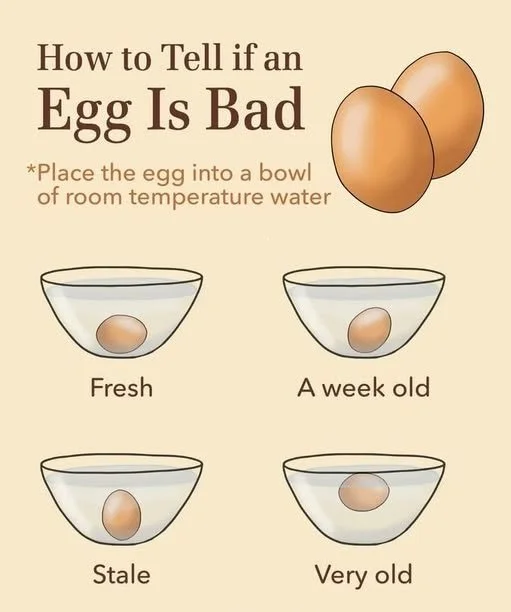
Eggs are a kitchen staple, and knowing how to determine their freshness is crucial, especially when you’re preparing meals for your family. I’ve had my fair share of moments staring into the fridge, uncertain if that carton of eggs is still good. That’s when I discovered the float test—a simple, reliable method that can save you from an unpleasant surprise. Whether you’re whipping up a batch of pancakes or making a classic omelet, freshness matters. Today, let’s dive into how you can easily tell if those eggs are still good to go with this straightforward technique.
Reasons to try it
This method not only brings peace of mind but also helps prevent food waste. Perfect for anyone looking to make the most out of what they have at home, the float test is a budget-friendly approach to ensuring your ingredients are fresh. It’s quick, easy to remember, and requires no fancy gadgets. You can use it any time you’re in doubt, whether you have a dozen eggs lingering in your fridge or just a couple.
"The float test is a game changer! I always felt anxious about using eggs past the expiration date, but now I can check right in my kitchen!" – Anna, home cook
How this recipe comes together
To perform the float test effectively, you’ll need just a bowl of water and the eggs you want to check. The process is simple and takes only a minute. You’re aiming to see how your eggs behave when placed in water—they either sink, stand upright, or float. Each of these positions tells you something vital about their freshness.
- Gather your eggs and a bowl of water.
- Gently place each egg in the water, observing what happens.
- A sunken egg is fresh, an upright egg is still good but should be used soon, and if it floats, it’s time to toss it.
Understanding how this test works is essential for confident cooking.
What you’ll need
- Fresh eggs (the number depends on how many you want to check)
- A bowl deep enough to cover the eggs in water
If you don’t have fresh eggs on hand, feel free to substitute with a different method of checking freshness, but the float test is undoubtedly the quickest and most effective!
